Hotline: +381 61 63 84 071




How we talk about violence matters: Protecting survivors while raising public awareness
How we talk about violence matters: Protecting survivors while raising public awareness
Photo: Dragan Mujan
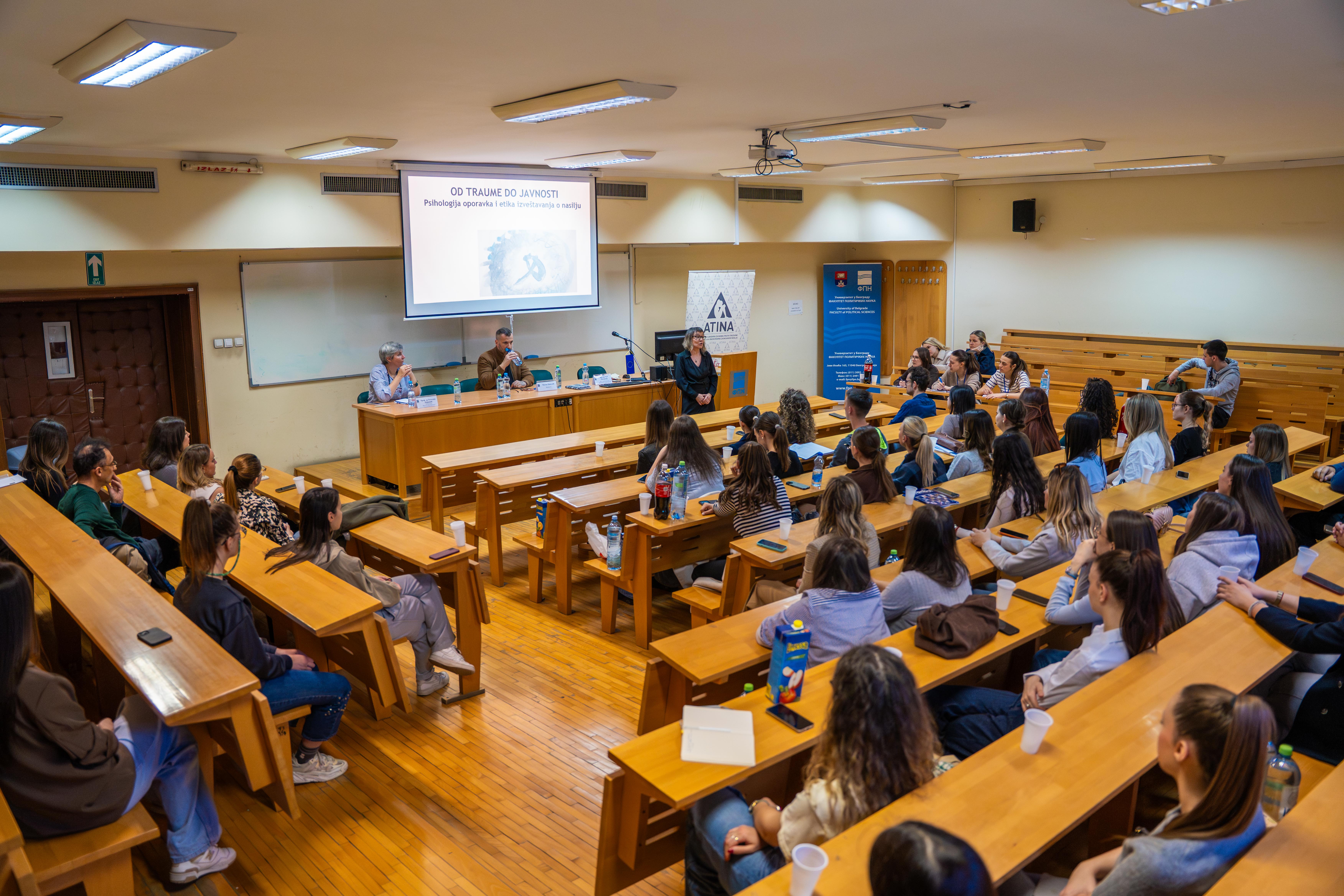
At the Faculty of Political Sciences, University of Belgrade, on March 24, 2026, a panel discussion titled “How we talk about violence matters: Protecting survivors while raising public awareness” was held, raising an important question: how do we as a society talk about violence, and what consequences does this have for those who have survived it?
The event brought together students of journalism and social work, future professionals who will encounter survivors of violence in their work, as well as experts in psychological support and media. Speakers included Dragana Ćuk Milankov, a clinical psychologist and Head of the Psychological Counseling Center for Victims of Human Trafficking at NGO Atina, and Milan Nikolić, an investigative journalist from the Insajder portal. Professor Natalija Perišić, PhD, moderated the discussion.
Psychology of recovery: What trauma really means
Drawing on her experience working with women who have survived human trafficking and various forms of violence, Dragana Ćuk Milankov spoke about how trauma affects the way people remember, feel, and make decisions.
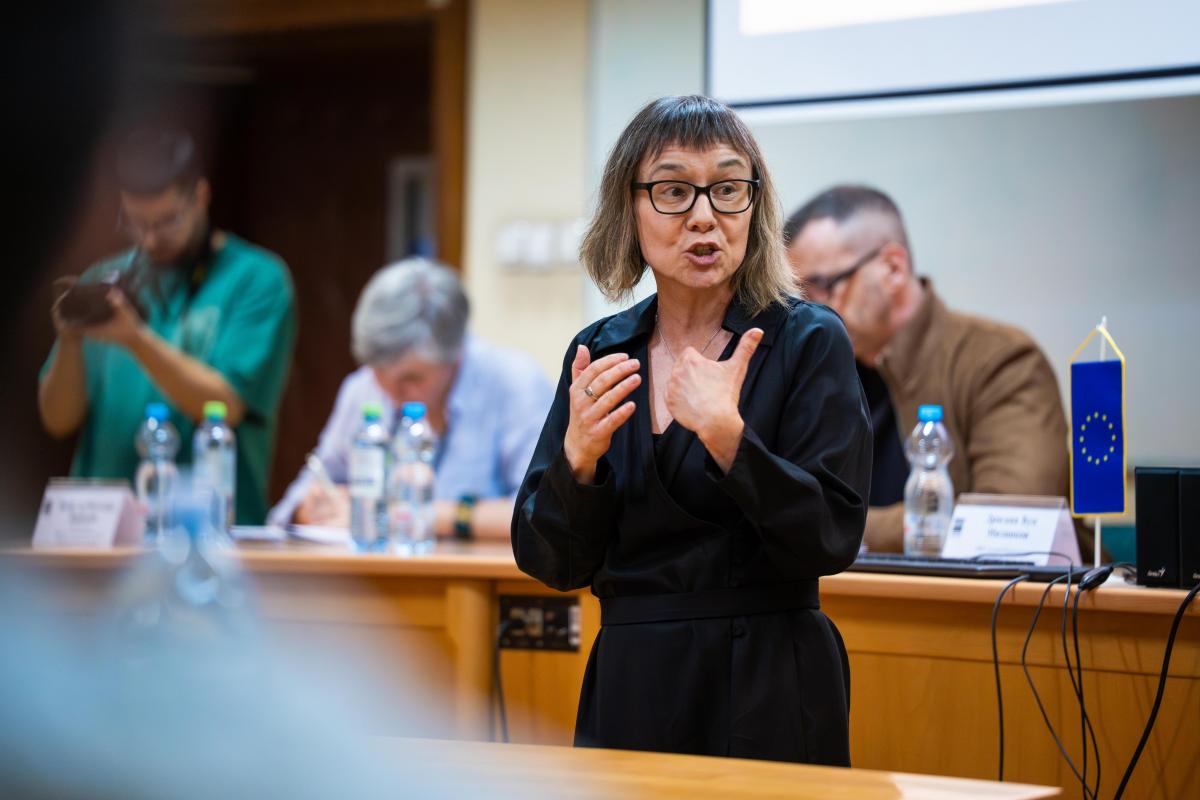
“Ethical work with individuals who have experienced violence requires understanding and the ability to place ourselves in their position as we listen to them. Another equally important factor is respect, never to forget that there is a human being sitting across from us,” she emphasized.
She pointed out that modern neuroscience is changing how we understand trauma. Yet, in practice, a critical mistake persists: expecting victims to function “normally,” even though their behavior is not a matter of will, but a consequence of the violence they have endured.
“Victims of violence cannot provide their environment with what is expected of them, because it is not within their control. When professionals fail to understand this, additional harm occurs,” she warned.
She placed particular emphasis on the role of future professionals, stressing that knowledge alone is not enough: “You will be knowledge experts, but across from you will sit people who are experts in experience. The most important thing is to approach them as equals, without power dynamics, with respect and understanding.”
Media between public interest and exploitation
Speaking from a journalist’s perspective, Milan Nikolić raised ethical issues in reporting on violence in Serbia, highlighting serious problems in media practice.
“The first thing that must be respected in reporting is the identity, dignity, and integrity of the victim. A victim’s identity must never be disclosed. We cannot treat victims as prey for a good story,” he emphasized.
He warned in particular about the dominance of sensationalism and commercial interests: “Ethics are often lacking in media practice, sacrificed for profit. There is an insistence on scandalous details, while what truly matters, understanding the phenomenon and preventing violence, is neglected.”
Referring to concrete examples, Nikolić pointed to situations where victims are further victimized through media reporting, from interviewing individuals clearly in a state of trauma to giving space to perpetrators.
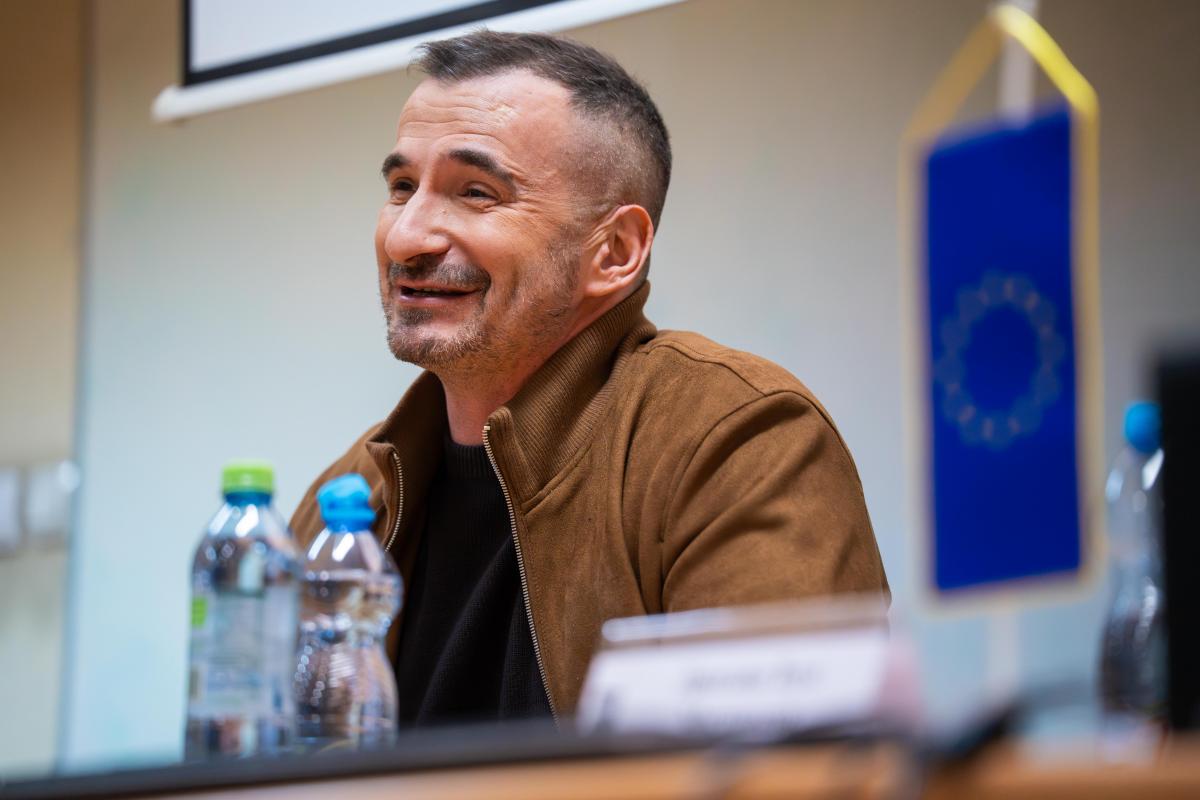
“Shame must change sides. That is something we as a society must all work on and become aware of. And in that, the media carry enormous responsibility,” he concluded.
Between knowledge and responsibility: What future professionals carry forward
One of the key aims of the panel was to create space for dialogue with students, not only about theory but also about their future role in society.
The discussion raised questions about how trauma affects victims’ behavior and testimony, how to speak about violence without causing re-victimization, how journalism and professional support can contribute to recovery, and how the public can become an ally in the fight against violence.
In responding to these questions, the panelists emphasized that these professions cannot be practiced “halfway,” and that the key lies in personal responsibility and understanding context.
“This work can only be done well if what you do aligns with who you are as a person,” said Nikolić.
He also pointed to the broader social context: “We live in a society of violence, where the public is often more sympathetic to the perpetrator than to the victim. Blame is placed on the victim, and that is a pattern we must change.”
Space for change
The panel clearly demonstrated that psychological recovery, ethical reporting, and social responsibility are not separate issues, but deeply interconnected processes.
For Atina, who has been working for more than two decades with women and girls who have survived violence, this is not merely a theoretical question, but a daily practice, a practice grounded in understanding, respect, and continuous support.
As emphasized at the end of the discussion, change is possible, but it requires collective effort: “It is necessary to support the work of organizations, to build networks, and to create synergy; this is the only path toward a society that understands violence and responds to it responsibly.”
This panel was held as part of the “Bridge” project, implemented by Atina with support from the European Union.
More photos from the event can be viewed here: Od traume do javnosti: kako govoriti o nasilju bez povređivanja onih koji su ga preživeli | atina



 FACEBOOK
 TWITTER
 YOUTUBE