Hotline: +381 61 63 84 071




What eight weeks at NGO Atina taught me
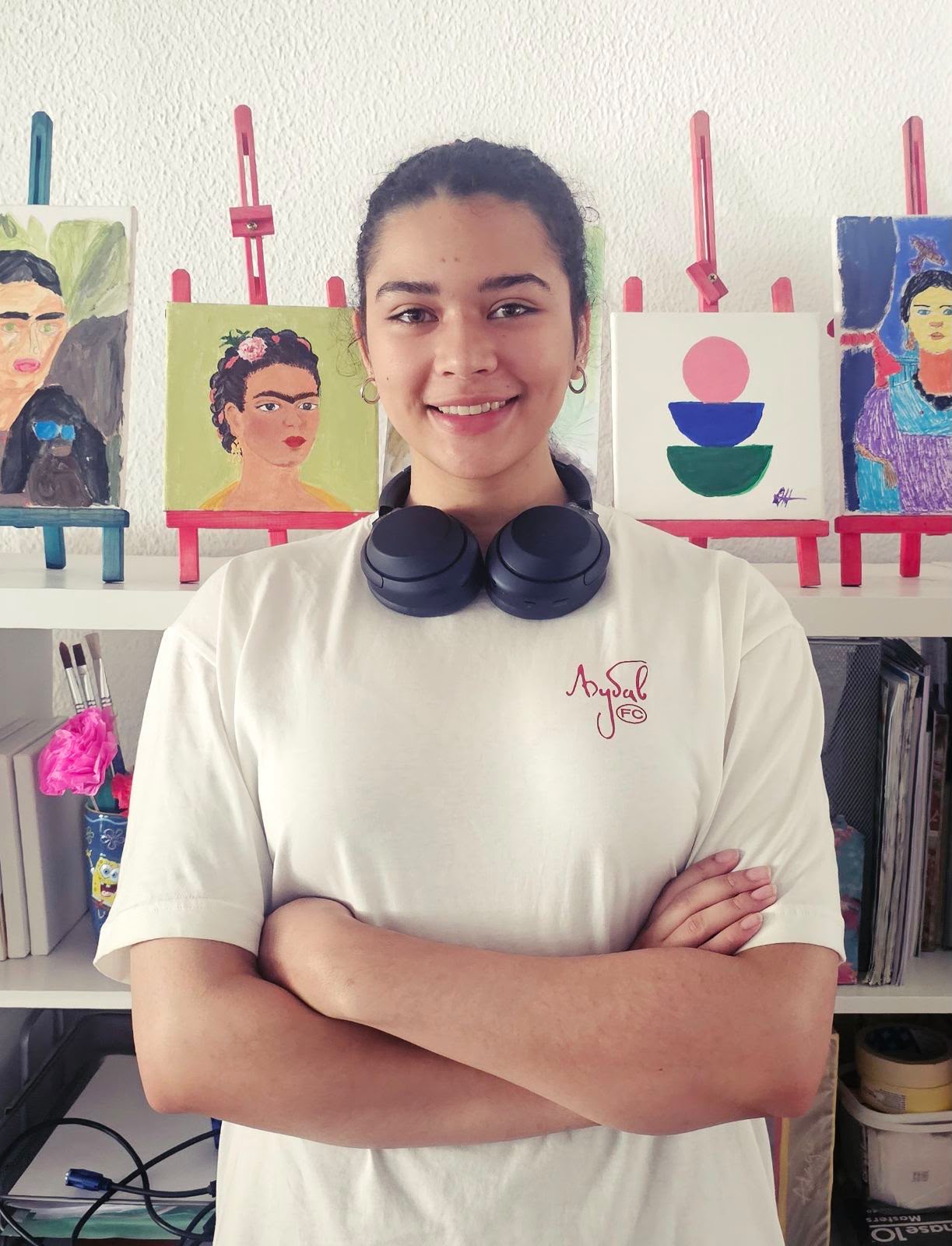
Iris Collell
What eight weeks at NGO Atina taught me
My interest in human trafficking started with a Pilates class.
I was in middle school in Paris when two A21 ambassadors visited one of our extracurricular sessions. I still remember sitting in a circle with other girls my age as they explained that, in our own city, girls like us were among those most at risk of trafficking. Until then, trafficking had felt like something distant, something that happened somewhere else. That single evening planted something in me that never left.
Years later, I pursued that curiosity through my studies in human rights and international affairs. After completing my undergraduate degree in Human Rights, I am now pursuing a Master of International Affairs at Columbia University, with a concentration in International Security and Diplomacy. Along the way, I volunteered within New York City's asylum system, first providing legal support and later conducting research. Working with displaced communities made me realize how closely migration, vulnerability, and trafficking are connected, and how essential it is to understand trafficking as both a local and global challenge.
So when Columbia University shared an opportunity for an eight-week internship with NGO Atina in Belgrade, I immediately knew I wanted to apply.
Eight weeks later, I'm leaving with far more than I expected.
One thing I quickly learned is that no two days at Atina are ever the same. One week I found myself representing the organization at conferences alongside government officials, diplomats, and civil society representatives, listening to discussions about legislation and international cooperation against trafficking. Another week, I helped summarize unpublished research so its findings could reach a broader audience. My favorite part of that project wasn't writing; it was interviewing my colleagues who had spent months conducting fieldwork. Listening to the stories behind the research reminded me that every statistic represents a person, and every number reflects a life shaped by unique circumstances.
I also had the opportunity to conduct research of my own, exploring barriers to economic empowerment for trafficking survivors and examining trafficking affecting boys and men, an issue that remains significantly underrepresented in anti-trafficking discussions despite affecting many lives.
Some of my favorite moments, however, happened far away from conference rooms and research papers.
I spent time organizing jewelry-making workshops alongside survivors, creating pieces together rather than simply facilitating activities. I helped sort donations, organize supplies, and prepare food deliveries. What struck me most was Atina's commitment to preserving dignity in even the smallest decisions. Rather than distributing predetermined packages, women are encouraged to choose the items they need and order groceries themselves. It is a simple practice, but one that quietly restores autonomy and choice, things trafficking survivors have too often been denied.
Every Thursday I visited Bagel Bejgl, Atina's social enterprise, where survivors have the opportunity to take vocational training while working alongside the staff. Sitting around the table, talking between batches of freshly baked bagels, I met women who were rebuilding their confidence one step at a time. Many of them were close to my age. Our conversations rarely centered on trafficking; instead, we talked about everyday life, plans, favorite music, and ambitions. Those ordinary conversations became extraordinary reminders that recovery is not only about overcoming trauma; it is also about reclaiming everyday life.
The bagels, I should add, were excellent.
Every Friday, I traveled with colleagues to the asylum center in Obrenovac, where Atina works with women and families on the move. As July led up to the World Day Against Trafficking in Persons, we facilitated discussions on trafficking, exploitation, and safe migration. Rather than arriving with a fixed agenda, the sessions were shaped around the questions and interests raised by participants themselves. That flexibility reflected something I came to admire throughout my internship: meaningful support begins with listening.
Perhaps the most valuable lesson I learned at Atina is that there is no universal survivor story.
Every person arrives with their own experiences, strengths, fears, and hopes for the future. Rather than expecting people to fit into predefined programs, Atina adapts its support around the individual. I learned that effective support is not about having all the answers; it is about creating the conditions for people to make their own choices, at their own pace, with dignity. Survivors are not defined by what happened to them. They are recognized as people rebuilding their lives on their own terms.
It is no coincidence that I repeatedly heard survivors describe Atina as their second home.
After spending two months here, I understand exactly what they meant.
I am leaving Belgrade with new knowledge, lasting friendships, enormous admiration for my colleagues, and deep gratitude to every survivor who welcomed me into their community.
I'm leaving this position with a group of people, both colleagues and survivors, whom I look up to and have treasured my time with. It's wonderful to have the certainty that I'll always have a place to come back to.
I extend my gratitude to my colleagues at Atina and the survivors for the precious memories and the trust you have placed in me. Thank you for giving me this chance to contribute to your fight against trafficking.
Iris Collell



 FACEBOOK
 TWITTER
 YOUTUBE