Hotline: +381 61 63 84 071



Protecting children from sexual exploitation in tourism: Atina holds training for Mercure Excelsior hotel staff
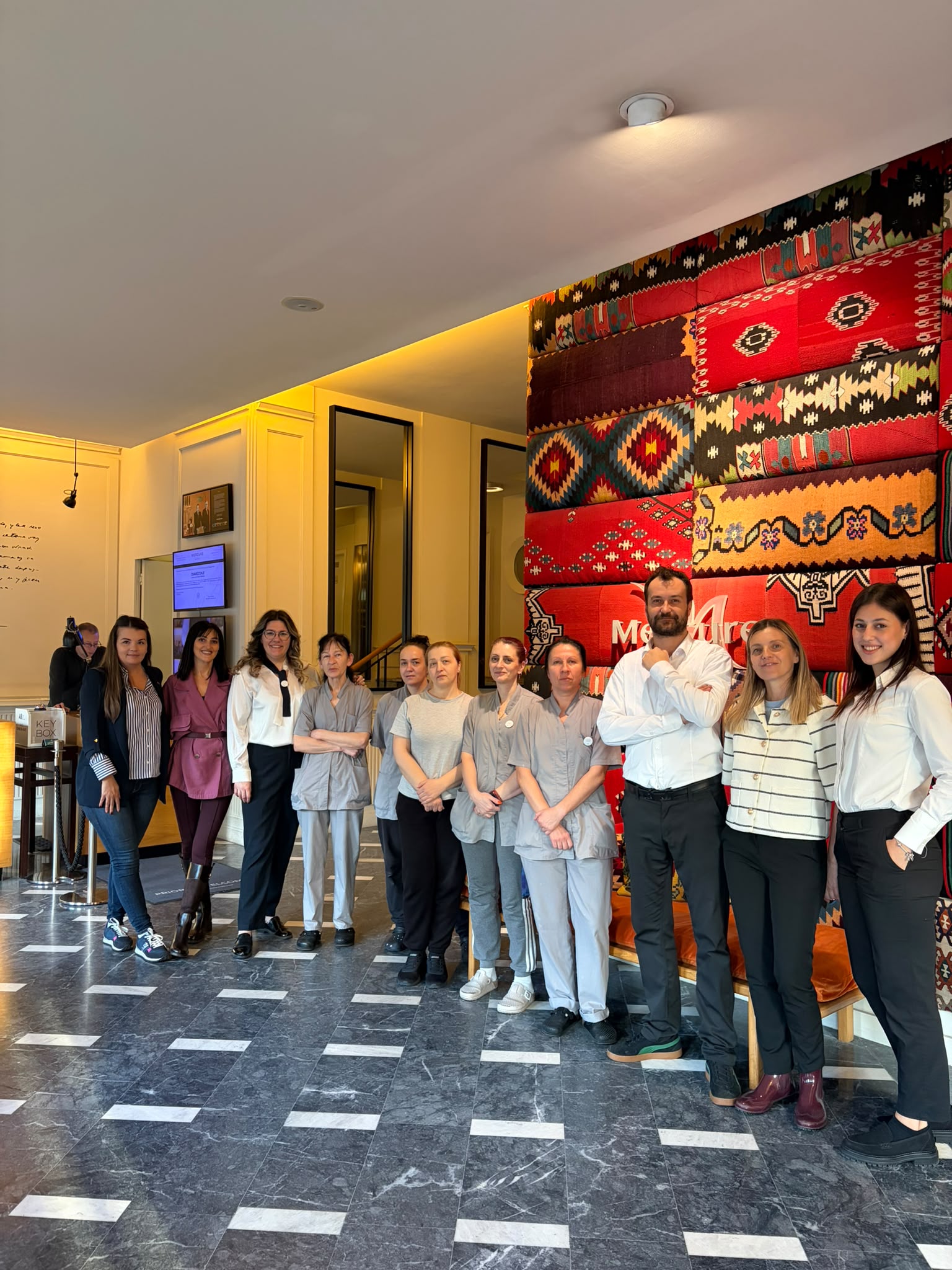
Protecting children from sexual exploitation in tourism: Atina holds training for Mercure Excelsior hotel staff
Recognizing exploitation, responding in time, and creating opportunities for decent work are different but equally important ways in which a hotel can contribute to the fight against human trafficking.
What can hotel staff do when they suspect exploitation is hidden behind a seemingly ordinary situation? How can they recognize that someone may not be free to make their own decisions? Who should they contact, and how can they respond without exposing the person to additional risks? These were some of the questions we discussed with staff at the Mercure Excelsior Hotel during a WATCH training organized by NGO Atina.
WATCH (We Act Together for Children) is a programme developed by the Accor hotel group, of which Mercure Excelsior is a part, aimed at preventing the sexual exploitation of children in tourism and hospitality. The programme has been developed in cooperation with the international ECPAT network, which works to protect children from sexual exploitation, including exploitation that takes place in the context of travel and tourism. It is based on a key principle: through daily contact with large numbers of people, hotels can play a significant role in identifying risks, preventing exploitation, and protecting children.
In our discussions with staff working in different positions, we explored situations that may arise in everyday hotel operations, signs that may indicate human trafficking, and ways to respond safely and responsibly. Recognizing exploitation is not simply a matter of knowing the indicators. It is also important to understand what to do with that information, how to avoid jumping to conclusions, and how to act in a way that puts the person's safety and dignity first.
But the cooperation between Atina and the Mercure Excelsior Hotel has another, equally important dimension.
The same doors that hotel guests walk through every day also open to women who want to gain new professional experience and find their place in the labour market.
Through its long-standing partnership with Atina, formalized through a Memorandum of Cooperation, the Mercure Excelsior Hotel has, on several occasions, provided women participating in Atina's programmes with opportunities to undertake professional placements, become familiar with different areas of hotel operations, develop practical skills, and explore possibilities for future employment.
For women who have survived human trafficking and other forms of violence, access to the labour market often means much more than finding a job. It also means having the opportunity to make independent decisions about their future, earn and manage their own income, and build a life in line with their own wishes and plans. This is why opportunities to learn, gain experience, and access decent work are an important part of long-term recovery.
This is precisely where we see the particular value of this partnership.
The hotel is not only a place where employees learn to recognize the risks of human trafficking. It is also a working environment where women can develop their skills, meet new people, and discover professional opportunities that may not previously have been available to them.
The fight against human trafficking does not end with recognizing violence. It also means creating conditions in which people have real opportunities to live free from exploitation.
The cooperation between Atina and the Mercure Excelsior Hotel demonstrates how these two responsibilities can come together: through employees' knowledge and readiness to respond when they recognize risks, and through concrete opportunities for women to develop economic independence.
Because the responsibility for preventing exploitation does not rest solely with institutions and organizations providing support. It also belongs to the business sector, workplaces, and everyone whose decisions can help ensure that work is safe, dignified, and accessible.



 FACEBOOK
 TWITTER
 YOUTUBE