Hotline: +381 61 63 84 071






Neuroscience, trauma and the reality of working with survivors of violence
When knowledge ceases to be theory: Neuroscience, trauma, and the reality of working with survivors of violence
Work with women and children who have survived gender-based violence and human trafficking does not end once they leave a violent situation. On the contrary, that is often when the most difficult phase begins. Trauma remains inscribed in the body, in the brain, and in the ways a person remembers, reacts, makes decisions, trusts, or struggles to trust. These are the realities that professionals in the social protection system and safe houses confront every day.
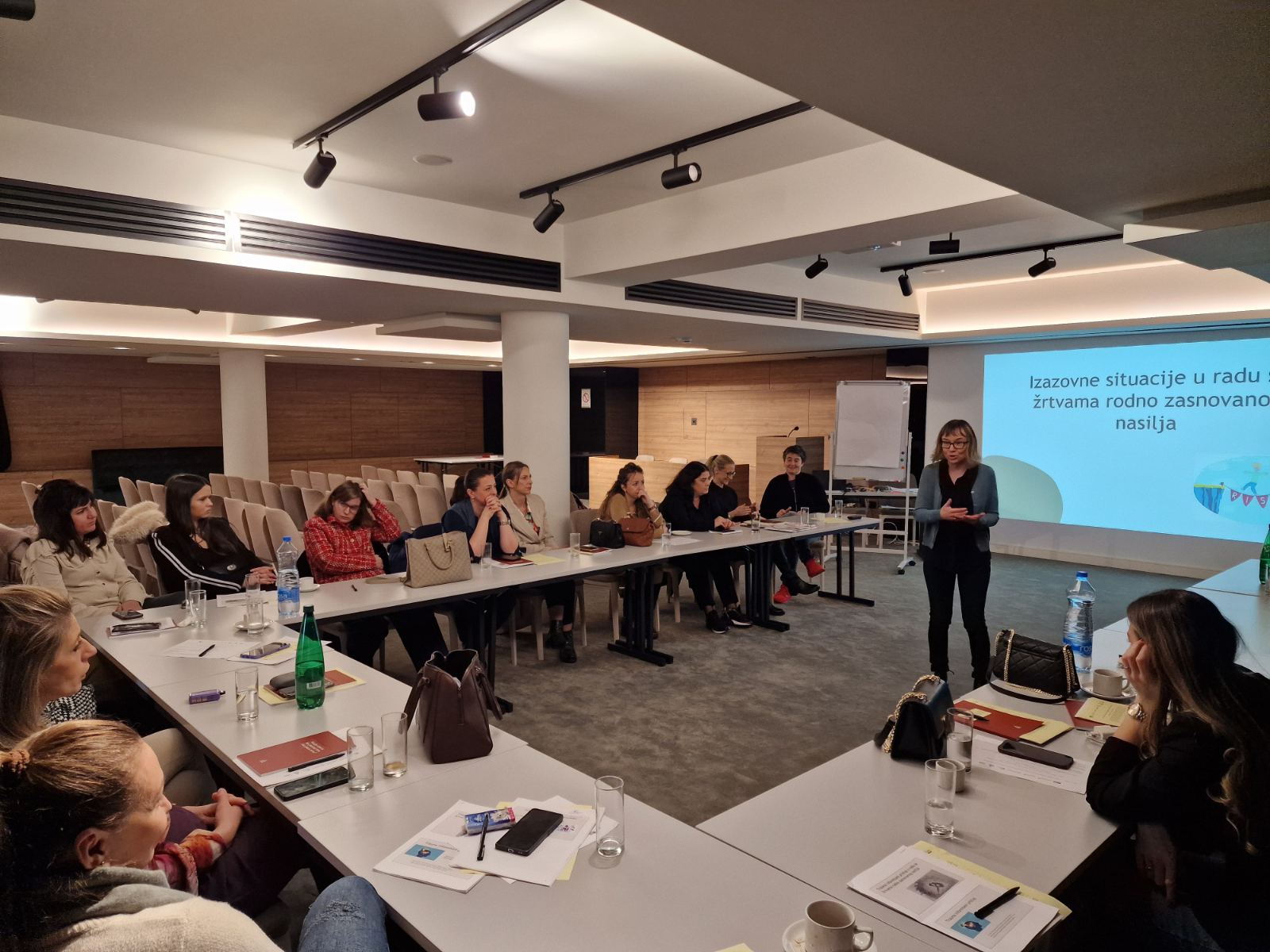
In December 2025, in Vranje, Atina organized a two-day training titled “The Brain, Trauma and Recovery - Applying Neuroscience in Work with Survivors of Gender-Based Violence.” The training brought together professionals from centres for social work and safe houses in Vranje and Leskovac, engaging 25 frontline practitioners who work daily under conditions of high risk, systemic limitations, and constant emotional strain, often with insufficient institutional support, yet carrying immense responsibility.
Why neuroscience?
This training emerged from the need to move professional practice beyond formal procedures and toward a deeper understanding of how trauma actually functions. Contemporary neuroscience clearly demonstrates that behaviors often interpreted as “resistance,” “lack of motivation,” “impulsivity,” or “inconsistency” are not matters of choice or cooperation, but the result of profound neurobiological changes caused by trauma.
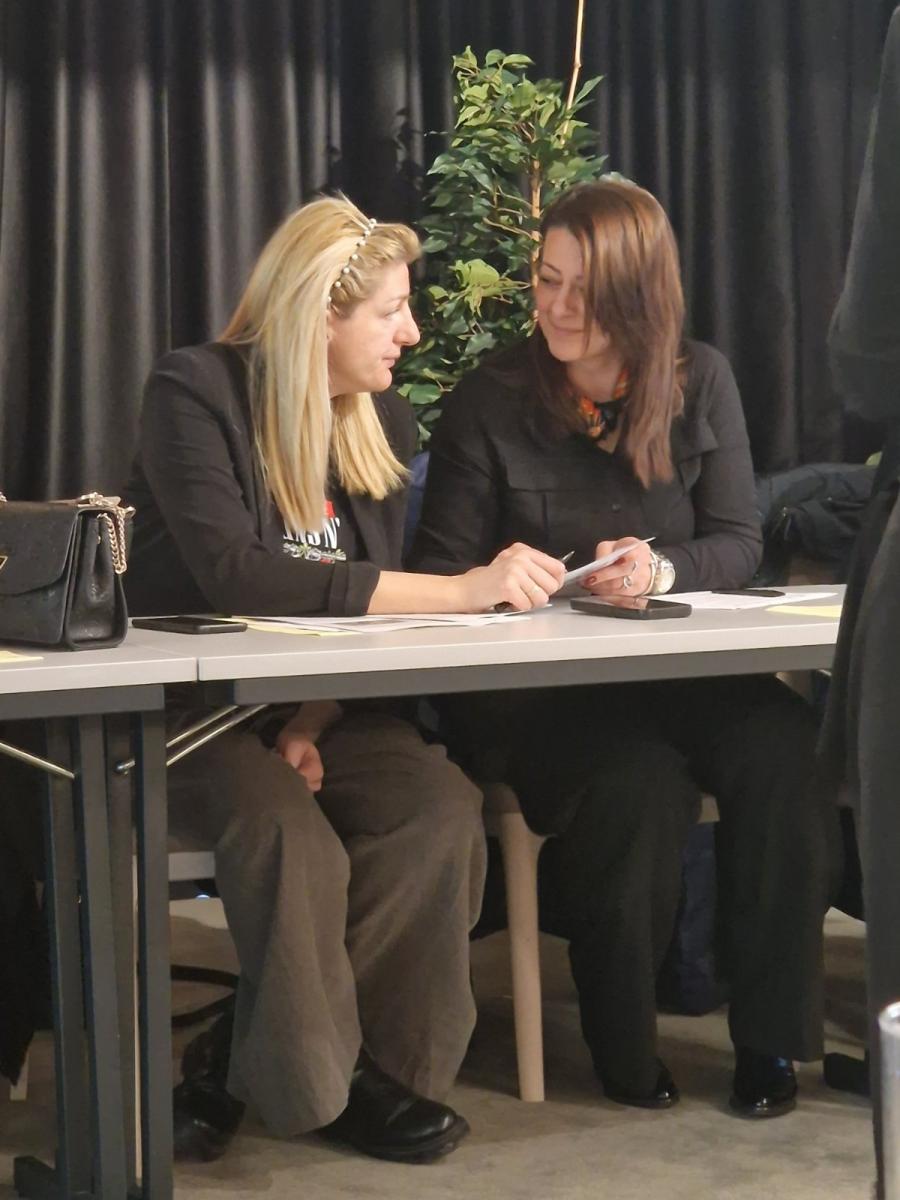
Understanding these processes is not an academic exercise. It fundamentally changes how professionals listen, respond, assess risk, and build relationships with survivors of violence.
Understanding trauma from the inside
The first day of the training focused on establishing a strong theoretical and conceptual foundation. Through contemporary research and the work of authors such as Gabor Maté and Bruce Perry, participants explored how trauma affects brain development, memory, emotional regulation, and behavior.
Particular attention was given to distinguishing stress from trauma, identifying factors that influence the intensity of traumatic experiences, and examining the gendered aspects of post-traumatic stress disorder. Participants were encouraged to re-examine their professional assumptions and to understand why standard institutional responses so often fail to reach survivors of violence.
A powerful methodological tool used during the training was the documentary “The Wisdom of Trauma,” which opened space for deep reflection. Especially impactful was the expanded understanding of trauma, one that includes emotional neglect, lack of safety and connection, and experiences that systems often fail to recognize as traumatic, yet which leave consequences just as deep as direct violence.
At the end of the first day, participants openly discussed feeling overwhelmed by information and the need for a framework to make sense of what they encounter daily in practice.
When theory meets the reality of the system
The second day of the training was entirely practice-oriented. Discussions focused on concrete situations from the field, dissociation, withdrawal, and impulsivity, as well as the systemic barriers that severely constrain professional work.
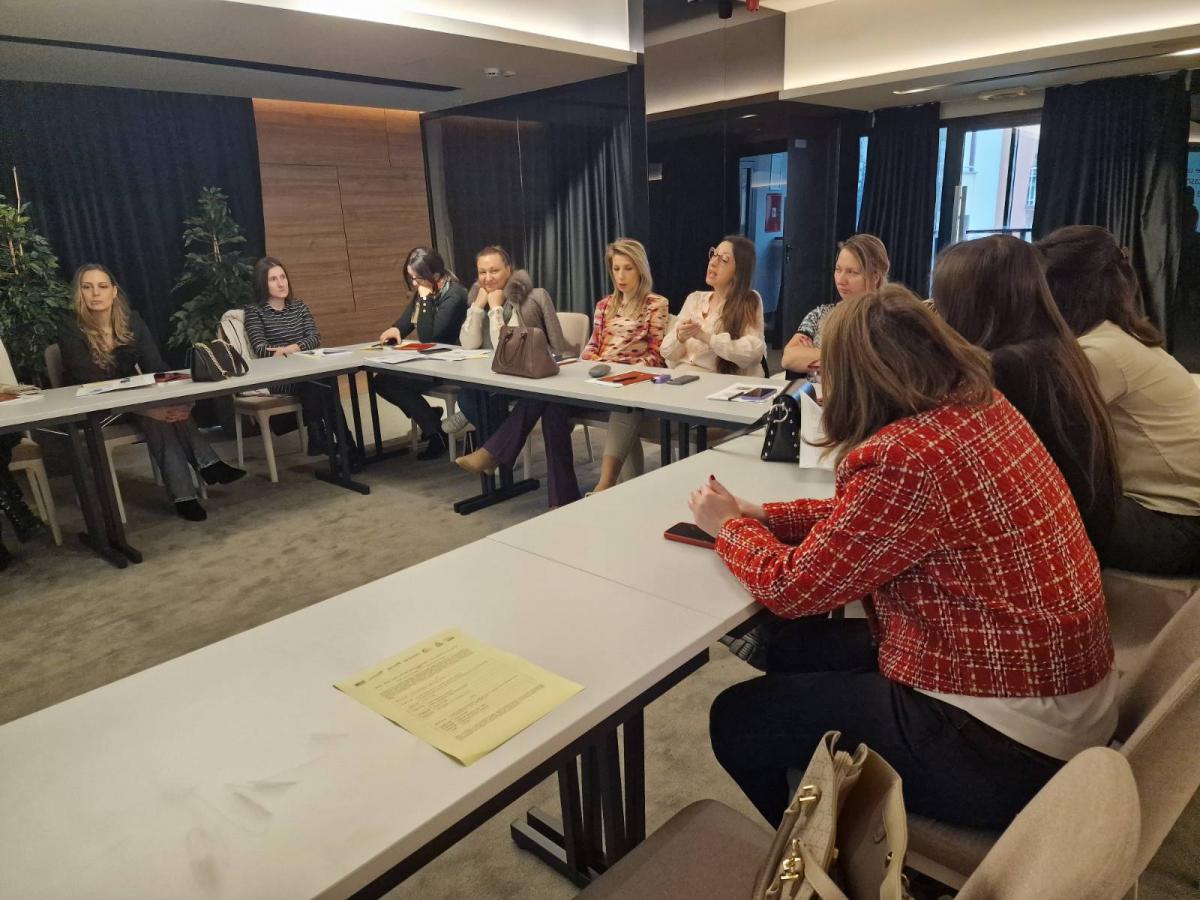
Participants spoke candidly about serious safety risks: threats from perpetrators, repeated violence, and offenders who re-enter the system without meaningful sanctions. A recurring theme was the experience that institutions often respond only when it is already too late, and sometimes not even then.
When discussing young people who have grown up in conditions of continuous trauma, participants emphasized the lack of institutional understanding for behaviors rooted in long-term violence and neglect. Particularly difficult examples were shared, including the suicides of young people who were further abandoned by the system after being rejected by their families.
Within this context, the final part of the training focused on professional self-regulation, boundary-setting, and burnout prevention. A system that fails to protect professionals cannot, in the long term, protect survivors.
More than a training
The training evaluation confirmed what was evident throughout the process. Participants rated the training extremely highly, highlighting its relevance, practical applicability, and the safety of the created space. Almost all reported gaining new knowledge and skills. Yet perhaps the most important outcome was that professionals gained language to articulate what they had long carried, along with the knowledge to see their work not as a personal or professional failure, but as a struggle within a system that must change.
For Atina, this training is part of a long-term commitment to connecting practice, knowledge, and policy. We cannot speak about protecting survivors if we do not understand trauma. We cannot speak about recovery if we ignore those who stand every day between violence and safety.
This training is not an endpoint. It is part of a broader effort to stop treating trauma as an individual issue and to finally recognize it as a social and systemic responsibility.
The training was implemented within the project “Safe Haven: Expanding Shelter Resources for Victims of Trafficking in Human Beings in the Western Balkans,” coordinated by World Vision International, in partnership with Atina (Serbia), Lara Foundation (Bosnia and Herzegovina), Mary Ward Loreto (Albania), and Open Gate/La Strada (North Macedonia), with the support of the U.S. Department of State, Office to Monitor and Combat Trafficking in Persons.




 FACEBOOK
 TWITTER
 YOUTUBE